

Buy Before Selling or Sell Before Buying in Calgary?
The right sequence depends on financing capacity, current sale evidence, housing flexibility and tolerance for overlap—not a universal market slogan.
8 min read
Practical, source-backed answers for Calgary buyers and sellers: home values, pricing, financing, condos, neighbourhood research, property due diligence and current market context.
The right sequence depends on financing capacity, current sale evidence, housing flexibility and tolerance for overlap—not a universal market slogan.

Judge energy performance from systems, records and professional evaluation—not a vague “green” label or an outdated grant claim.

Radon cannot be judged by neighbourhood reputation or a quick viewing. Health Canada recommends long-term testing for at least three months.

A large lot, basement or garage does not guarantee a future project. Verify the parcel, land-use district, permits and proposal with current City information.

Property tax is a recurring ownership cost, while the assessment is a dated mass-appraisal value. Use official tools and verify the closing adjustment.

A map is the beginning, not the whole answer. Combine official hazard information with property history, inspection, grading, insurance and legal review.

Do not treat a kitchenette or separate entrance as proof of a legal suite. Verify City records, permits, safety and the full landlord or seller obligations.

Compare more than bedrooms and finishes. A Calgary apartment-condo decision includes the unit, building, corporation and full monthly cost.

A condo purchase includes a unit and an interest in shared obligations. The document package helps reveal governance, restrictions and financial risk.

New construction still requires due diligence. Verify warranty registration, coverage dates, builder obligations, walkthrough records and contract terms.
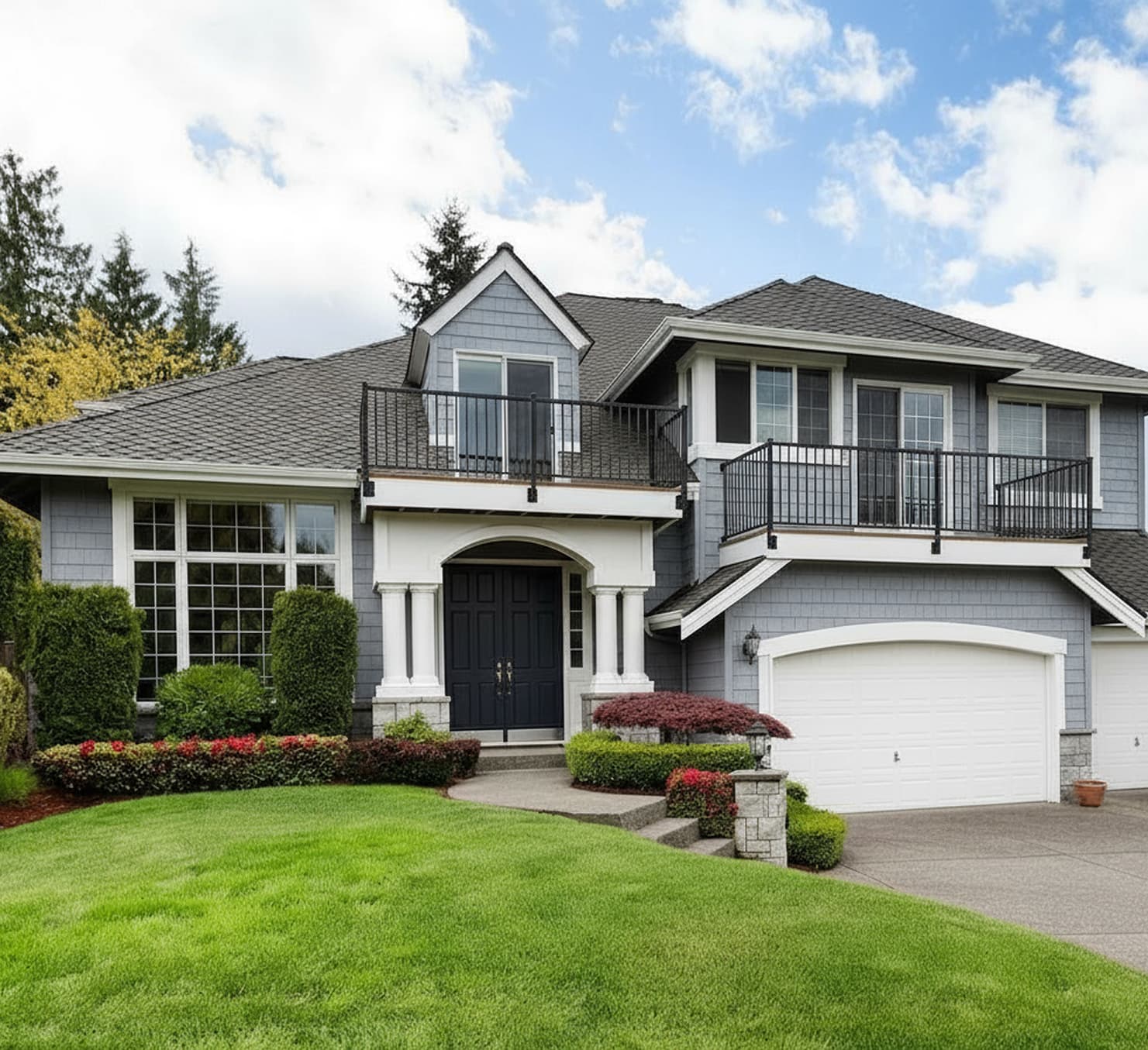
An inspection is a decision tool, not a pass-fail sticker. Select the inspector carefully, understand exclusions and plan specialist follow-up.

A pre-approval is a planning tool, not a final promise. Learn the stress-test benchmark and build a budget that survives ownership costs.

The sale price is not the amount available for the next move. Build a conservative net sheet before choosing a listing or purchase timeline.

A strong Calgary list price is an evidence-based launch strategy—not the highest automated estimate or the neighbour’s asking price.

The City assessment supports taxation; a sale estimate answers a different question. Understand the dates, methods and evidence behind each number.

There is no universal best community. Build a shortlist from official data, real travel tests, housing fit and property-specific due diligence.

The safest buying process is a sequence of verified decisions—not a rush from search to keys. Use this Calgary checklist to prepare each stage.

A down payment is only one part of the cash plan. Coordinate the FHSA, Home Buyers’ Plan and a separate reserve for closing and ownership costs.

A trend is useful only when it is dated, segmented and connected to a decision. Here is the 2026 Calgary framework buyers and sellers can reuse monthly.

Calgary is not one single market. May 2026 data shows more choice overall, while conditions still differ by price range and property type.